Minutes lost hunting for a 10mm socket add up fast. A well-organized toolbox saves time, protects your tools, and makes every project feel smoother.
1. Empty It and Sort
Take everything out. Group tools by type: wrenches, sockets, screwdrivers, pliers, measuring tools, and fasteners. Toss anything broken and set aside what you rarely use.
2. Clean as You Go
Wipe each tool with a rag and a little light oil to remove grime and prevent rust. Clean tools last longer and are safer to use.
3. Use Zones
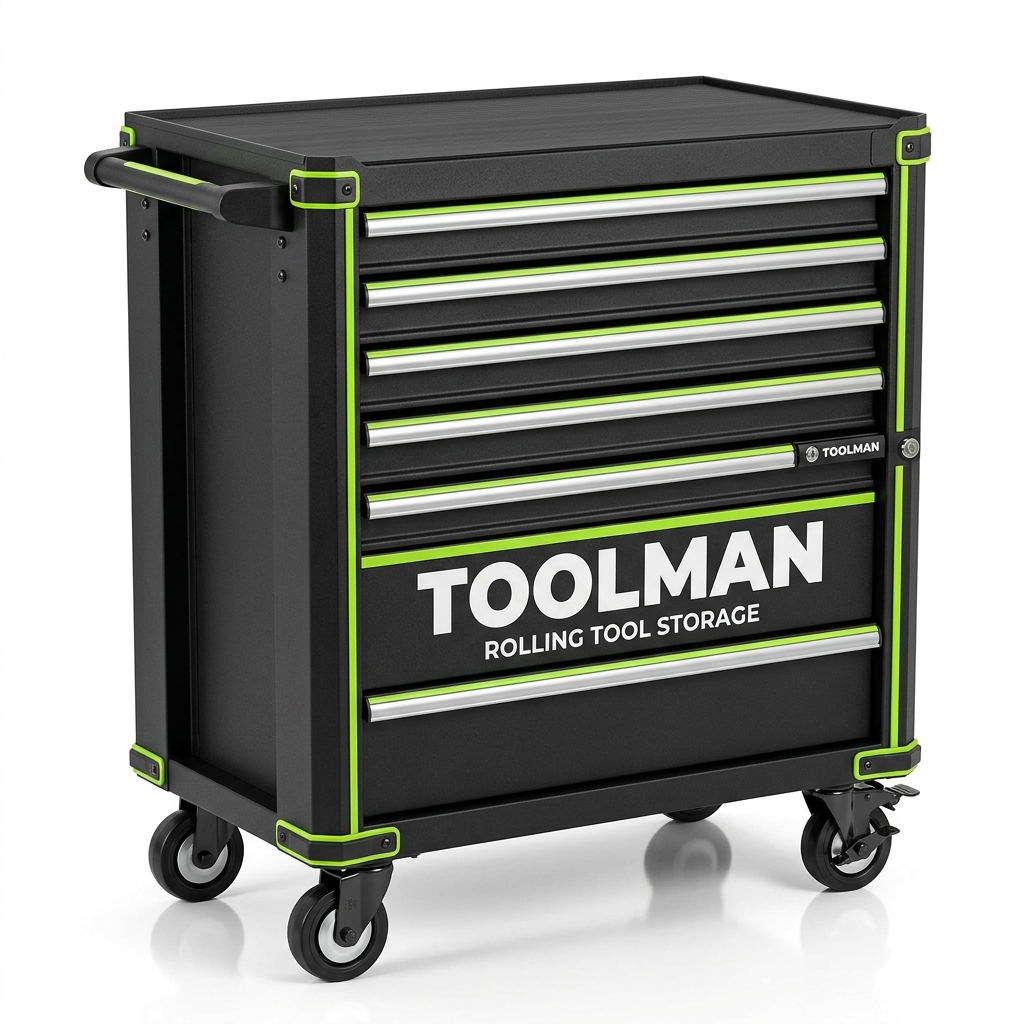
Assign each drawer or tray a job.
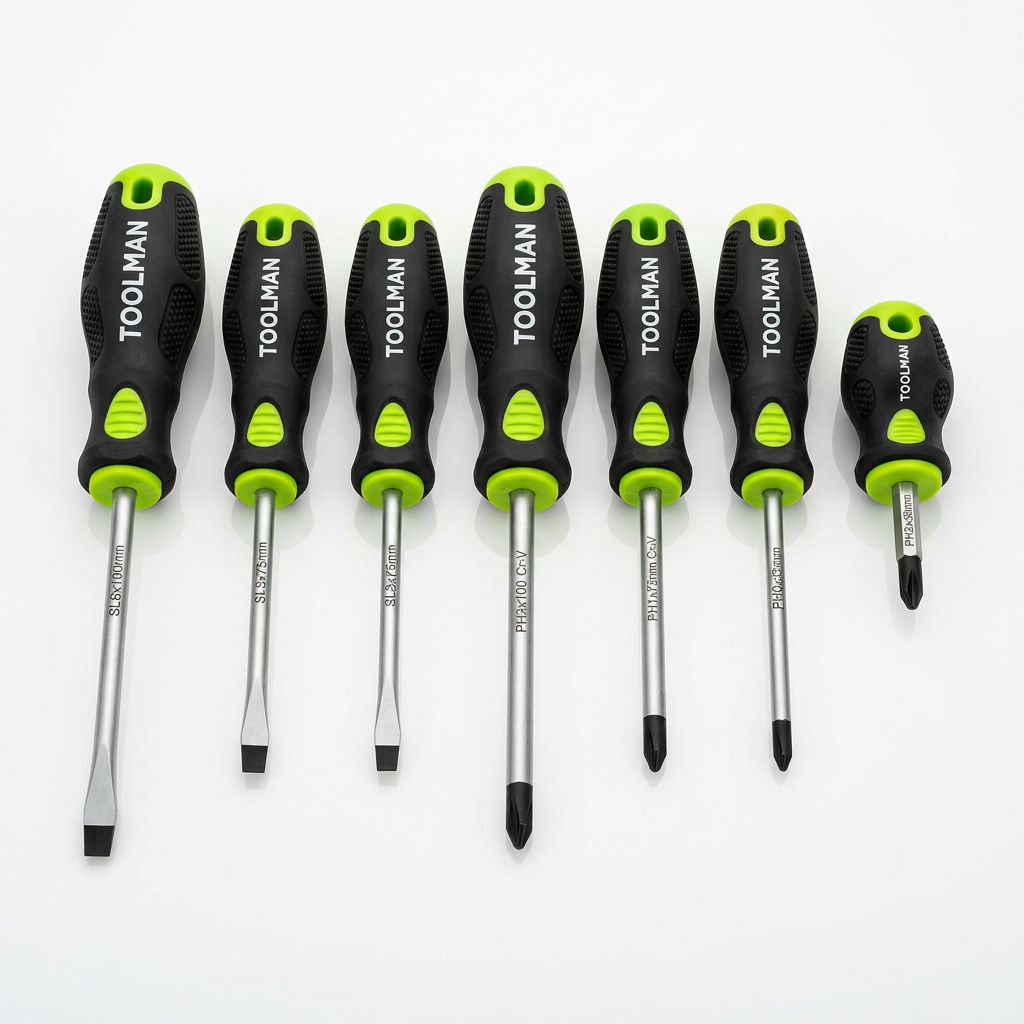
- Top drawer: everyday tools like screwdrivers, pliers, and a tape measure
- Middle drawers: sockets and wrenches, arranged by size
- Bottom drawer: heavier items, power tool accessories, and specialty tools
4. Add Liners and Dividers
Non-slip drawer liners stop tools from sliding and rattling. Foam inserts or socket rails keep every piece in its spot, and show instantly when something is missing.
5. Label Everything
Labels on drawers and small-parts bins mean you never have to guess. Clear containers for screws, nuts, and bolts keep the small stuff sorted.
6. Return Tools After Every Job
The best system is the one you maintain. Put each tool back as soon as you finish with it, and do a quick reset at the end of every project.